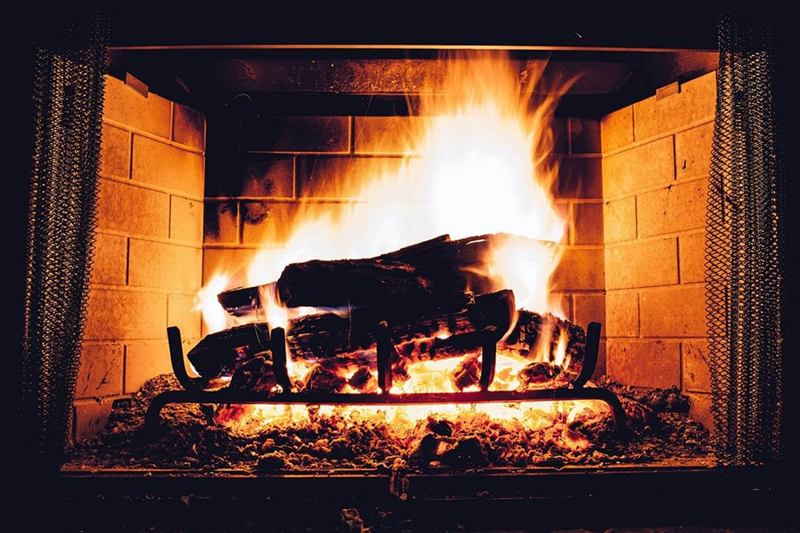
The first cosy evenings by the fire are one of the best things about autumn – until the glass door of your cheminée or wood stove turns grey and then black, and you can barely see the flames. Many homes in Switzerland, from old farmhouses to modern flats, have a fireplace insert or wood stove, and nearly every owner faces the same question: how do you clean fireplace glass without scratching it or using harsh chemicals?
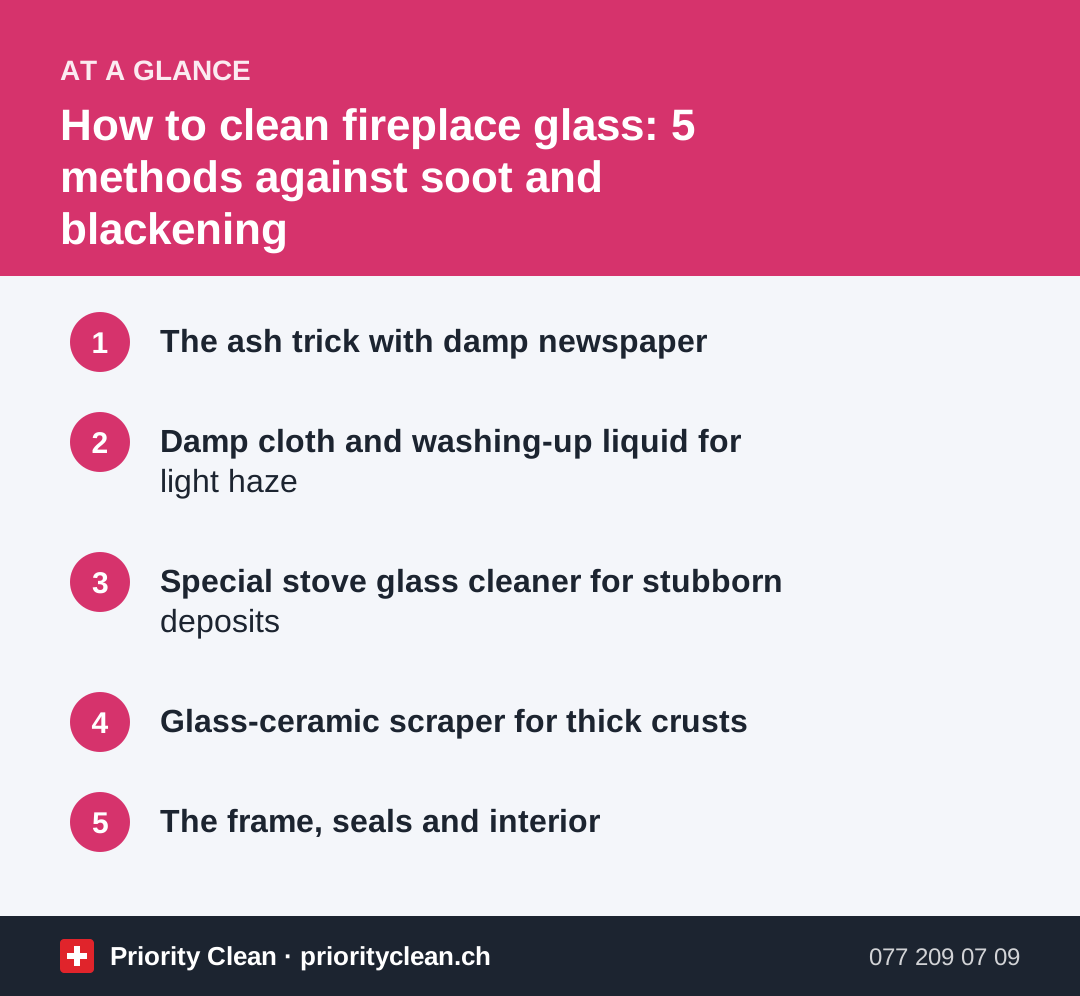
Here are five methods that work, plus the most important step of all: preventing soot in the first place.
Why fireplace glass turns black
Soot on the glass is a sign of incomplete combustion. It happens more often when:
- The wood is damp and produces a lot of smoke.
- The air supply is set too low, so the fire smoulders.
- Treated wood, cardboard or waste is burned.
- The fire is kept very small for long periods.
- Wood is placed too close to the glass.
Light grey haze is normal after a few fires. Thick black or brown, sticky deposits indicate that the burning conditions should be improved. The fire prevention advice service recommends burning only untreated, well-dried wood and having fireplaces installed and maintained by professionals.
1. The ash trick with damp newspaper
This traditional method uses fine, cold wood ash as a gentle, slightly alkaline cleaning agent.
- Make sure the stove and ash are completely cold.
- Lay a towel or newspaper on the floor in front of the stove.
- Crumple a sheet of newspaper or kitchen paper and dampen it slightly.
- Dip it into the fine, cold ash (not pieces of charcoal or grit).
- Rub the glass in circular movements with light pressure.
- Wipe the grey residue away with a clean damp paper.
- Polish dry with dry kitchen paper or a microfibre cloth.
Wear household gloves – wet ash is alkaline and can irritate the skin. Avoid using coarse ash with small hard particles, which can scratch coatings.
2. Damp cloth and washing-up liquid for light haze
If the glass only has a light grey film, a simple method is enough.
- Mix warm water with a few drops of washing-up liquid.
- Wipe the cold glass with a well-wrung microfibre cloth.
- Wipe again with clear water and dry.
Keep water away from the door seal (the rope around the glass) – it should stay dry.
3. Special stove glass cleaner for stubborn deposits
Fireplace glass cleaners from the DIY store are designed for heat-resistant glass-ceramic doors and baked-on soot.
- Check that the product is suitable for your stove glass and read the safety information.
- Spray onto a cloth or directly onto the cold glass, avoiding the seals and painted metal frame.
- Leave for the time stated on the label.
- Wipe off thoroughly, rinse with a damp cloth and dry.
- Wear gloves and ventilate the room.
Many of these products are alkaline and can irritate skin and eyes. Keep them in their original packaging and out of children's reach. In an emergency, call Tox Info Suisse on 145.
4. Glass-ceramic scraper for thick crusts
For thick, tar-like deposits on smooth glass-ceramic doors, a hob scraper with a razor blade can help – carefully.
- Moisten the deposit with the stove glass cleaner or soapy water.
- Hold the scraper flat against the glass.
- Push gently forward, without levering or applying the corner.
- Wipe away residue and clean as above.
Do not use scrapers on coated or printed glass, and check the stove manufacturer's instructions first. The technique is the same as on a cooktop – our guide on how to clean a ceramic hob explains it step by step.
5. The frame, seals and interior
When the glass is clean, take a moment for the rest of the stove door.
- Door seal: Brush off gently with a dry soft brush. A hard, flattened or frayed seal lets in extra air – have it replaced.
- Metal frame: Wipe with a dry or barely damp cloth; painted surfaces can be sensitive.
- Ash pan: Empty only when ashes are completely cold and have cooled for at least 48 hours. Our guide on disposing of ashes safely covers the details.
- Hearth plate and floor: Vacuum dry ash with a suitable ash vacuum or sweep carefully once cold – never vacuum warm ash with a household vacuum.
| Deposit | Method | Avoid |
|---|---|---|
| Light grey haze | Damp cloth with washing-up liquid | Wet seals |
| Grey soot | Ash trick with damp newspaper | Coarse ash with grit |
| Brown or black deposits | Stove glass cleaner | Oven spray on the frame |
| Thick crusts | Flat glass-ceramic scraper | Steel wool, knives |
Prevent soot on the glass
- Burn only dry, untreated wood – no painted wood, chipboard, cardboard or waste.
- Light the fire from the top with small kindling, so it gets hot quickly.
- Keep the air supply open enough for a bright, lively flame.
- Do not overload the firebox or place logs against the glass.
- Have the chimney swept and the stove maintained by a professional as required in your canton.
Common mistakes
- Cleaning warm glass: Risk of burns and cracks.
- Using abrasive sponges or steel wool: Scratches collect soot faster.
- Soaking the door seal: Damages it and reduces its function.
- Disposing of ashes too soon: Ashes can still ignite after a day.
- Burning damp or treated wood: Leads to more soot and pollutants.
Frequently asked questions
How do I clean fireplace glass with ash?
When the stove is cold, dip damp newspaper or kitchen paper into fine, cold wood ash and rub the glass in circles. Wipe with a clean damp paper and polish dry. Wear gloves, as wet ash is alkaline.
Why does my wood stove glass go black so quickly?
Usually because of incomplete combustion: damp wood, too little air supply or a smouldering fire. Use dry, untreated wood and keep the air supply open enough for a bright flame.
Can I use oven cleaner on fireplace glass?
It is not recommended. Oven cleaners are strongly alkaline and can damage the seals and painted frame. Use a cleaner made for stove glass and follow the label.
How long should ashes cool before disposal?
The fire prevention advice service recommends letting ashes cool completely for at least 48 hours in a metal container with a lid, away from flammable materials.
Thanks for your feedback! Feel free to share the guide.
Thanks! What was missing? Drop us a line – we will improve the guide. WhatsApp