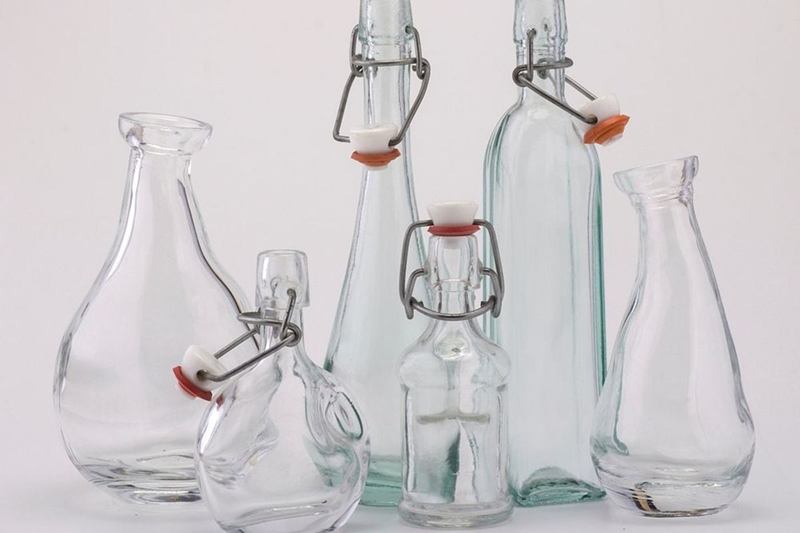
Carbonating tap water instead of carrying crates of mineral water home: many Swiss kitchens have a soda maker on the worktop. Its bottles, however, are usually just rinsed and refilled straight away. If you want to clean soda maker bottles properly, do it regularly and with the right method – otherwise limescale rings, a slimy film or a stale smell appear, and plastic that is treated wrongly warps.
The material is what matters. Glass can take more, plastic needs a gentle touch. Five steps show how to keep both clean and odour-free.
Why soda maker bottles get film and smells
Even tap water leaves traces. Its minerals – mainly limescale – settle as a white ring or milky haze, especially when leftover water evaporates inside. How quickly this happens depends on water hardness, which varies from one Swiss municipality to the next; on the Swiss gas and water association's platform you can look up the water hardness where you live by postcode.
Then there are germs. They get in via your mouth, hands and the cap, and in water standing at room temperature a biofilm gradually forms. Adding syrup, lemon or tea gives them extra food. The Swiss Federal Food Safety and Veterinary Office (FSVO/BLV) points out that germs spread via utensils and cloths and recommends cleaning utensils with hot water and washing-up liquid – for plastic, the rule is warm, not hot.
| Sign | Likely cause |
|---|---|
| White ring, milky haze | Limescale from tap water |
| Slippery film on the inside | Biofilm, not cleaned often enough |
| Stale or sweetish smell | Syrup or juice residue, closed while damp |
| Tiny dark spots in the cap | Mould in the thread or seal |
| Warped or cloudy plastic | Washed too hot or material has aged |
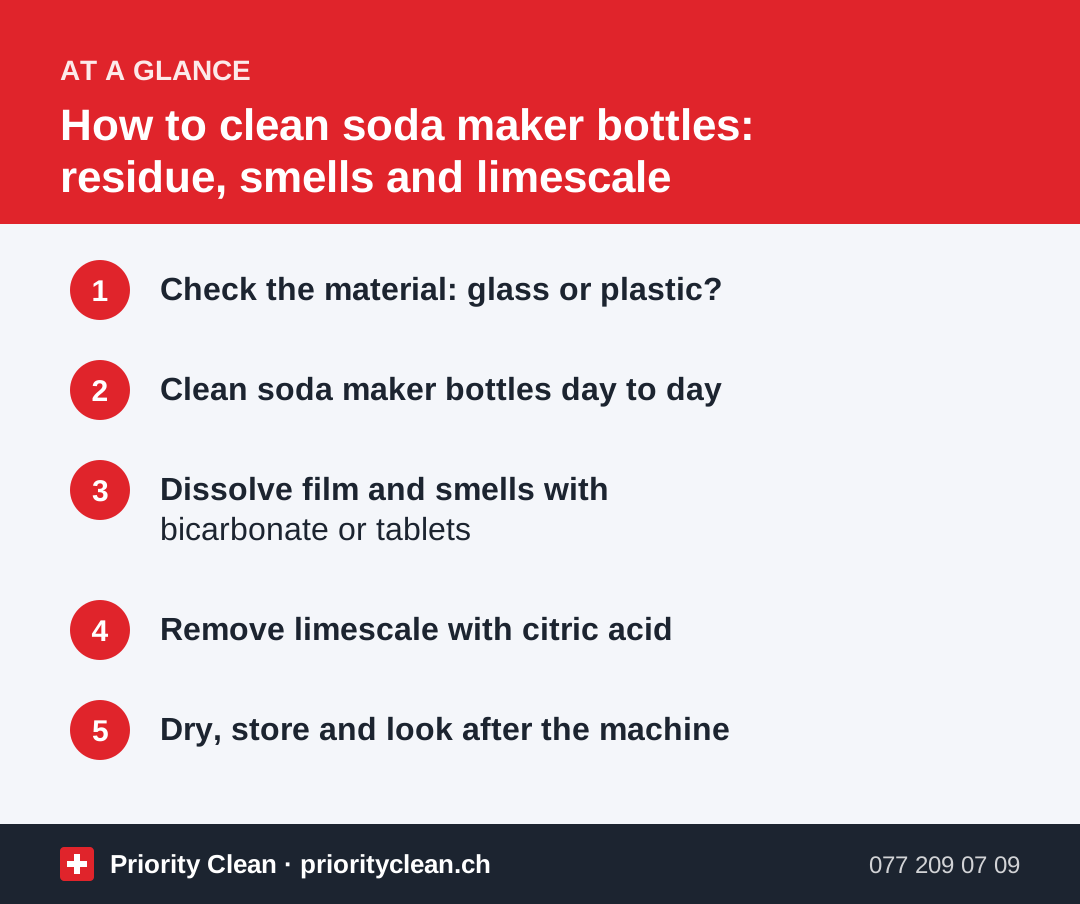
1. Check the material: glass or plastic?
Before cleaning, look at the bottle and the manual. Manufacturers draw a clear line:
| Glass carafe | Plastic bottle | |
|---|---|---|
| Dishwasher | often allowed – follow the manufacturer's instructions | usually not allowed |
| Water temperature | warm to hot | lukewarm only |
| Lifespan | long, as long as it is undamaged | often an expiry date printed on it |
| Typical problems | limescale haze | scratches, warping, smells |
Many plastic bottles carry a printed expiry date because the material ages under the pressure of carbonation. Once it has passed, replace the bottle even if it still looks clean. A glass carafe with cracks or chips should also be retired.
2. Clean soda maker bottles day to day
For regular cleaning – ideally once a week and after every use with syrup – you need very little:
- Empty and rinse with lukewarm water.
- Add a drop of washing-up liquid and a little water.
- Scrub the inside and base with a soft bottle brush. No wire brushes or scouring powder – they scratch plastic.
- Wash the cap separately, remove the seal if possible and clean the thread with a small brush.
- Rinse several times with clean water until no foam or smell remains.
Glass carafes can go in the dishwasher if the manufacturer allows it, ideally without heavily soiled dishes next to them. Caring for other drinks containers is covered in our guide How to clean a water bottle.
3. Dissolve film and smells with bicarbonate or tablets
Once a slippery film or a smell has set in, soapy water is no longer enough. Two simple remedies work well:
- Bicarbonate of soda: dissolve one or two teaspoons in lukewarm water, pour it in and leave it to stand for a few hours. Then scrub with the brush and rinse well. The many uses of bicarbonate are gathered in our guide Cleaning with baking soda.
- Denture-cleaning tablets: dissolve a tablet in the bottle filled with lukewarm water and leave it for the time stated on the pack. The fizzing solution reaches spots no brush can. Then rinse especially thoroughly.
Put the cap in a bowl with the same solution.
4. Remove limescale with citric acid
For white rings and a milky haze, acid helps. Citric acid from the chemist's is odourless and gentler than vinegar, whose smell can linger in plastic.
- Dissolve citric acid in lukewarm water as directed on the pack.
- Pour it in and leave it for about half an hour.
- Scrub with the brush and rinse several times with clean water.
Where the water is hard you will need to do this more often. Never use bicarbonate and citric acid at the same time: they react with each other and cancel each other out. Which acid suits which job is explained in our guide Descaling with citric acid or vinegar.
5. Dry, store and look after the machine
After cleaning, drying is what counts: a container closed while still damp soon starts to smell.
- Stand it upside down on a dish rack or bottle stand so air can circulate.
- Dry the cap separately and only screw it on when everything is dry.
- Do not wipe the inside with a tea towel – fibres and germs would end up inside.
The machine needs care too: regularly wipe the nozzle that dips into the water with a damp cloth and keep the surface dry. Never hold the appliance under running water.
Return expired plastic bottles as the manufacturer instructs or dispose of them correctly. Swiss Recycle shows what is collected where; if in doubt, check your municipality's waste calendar.
The most common mistakes
- Washing plastic bottles hot or in the dishwasher: they can warp and stop sealing properly.
- Only rinsing, never brushing: the biofilm stays stuck to the inside.
- Carbonating with syrup: it gums up the nozzle and bottle, and most machines are not designed for it.
- Using expired bottles: the expiry date is there for safety reasons.
- Closing them damp: a closed cap traps a stale smell.
Frequently asked questions
How often should you clean soda maker bottles?
With a brush and washing-up liquid about once a week, and straight away after syrup, juice or lemon. Remove limescale as soon as a white ring appears – more often if your water is hard.
Can soda maker bottles go in the dishwasher?
Glass carafes often can, if the manufacturer says so. Plastic bottles usually cannot: the heat can warp them. You will find the information on the bottle or in the manual.
How do I get limescale out of a soda maker bottle?
With citric acid in lukewarm water: fill, leave for about half an hour, scrub with the brush and rinse thoroughly.
Why does my plastic bottle have an expiry date?
The material ages under the pressure of carbonation and with repeated washing. Once the date has passed, replace the bottle for safety reasons, even if it looks intact.
Thanks for your feedback! Feel free to share the guide.
Thanks! What was missing? Drop us a line – we will improve the guide. WhatsApp