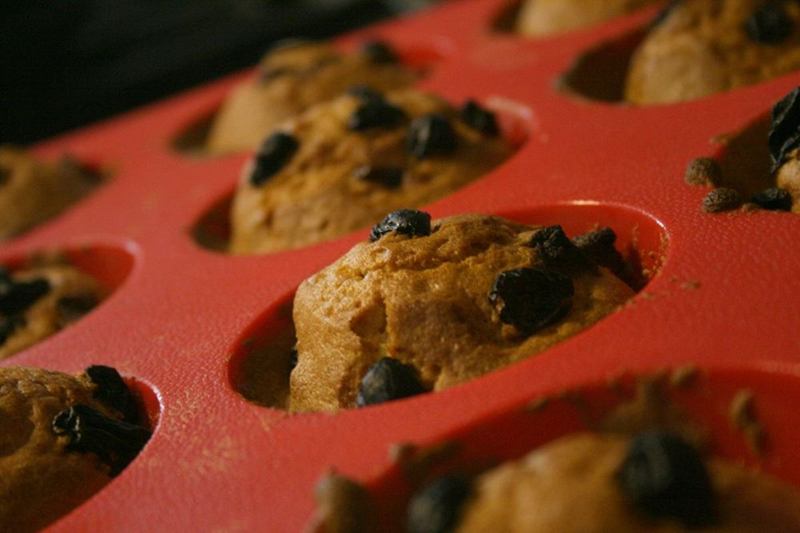
Muffins for a mid-morning snack, a bundt cake for the weekend: silicone moulds are handy because bakes pop out so easily. After a few uses, though, they often feel sticky, smell of old fat or show white spots. If you want to clean silicone bakeware in that state, you soon find that ordinary washing-up is no longer enough – the film clings firmly to the surface.
The good news: with very hot water, bicarbonate of soda and a simple trick in the oven, your moulds become smooth and odour-free again. Five steps show how – and what to avoid.
Why silicone bakeware turns sticky
Silicone is heat-resistant and flexible, but it absorbs fat and smells more readily than metal or glass. During baking, butter, oil and release spray heat up, bond with the surface and gradually harden into a tacky film. Lukewarm water no longer dissolves it completely, so it gets thicker with every bake.
Hygiene matters too: the Swiss Federal Food Safety and Veterinary Office (FSVO/BLV) points out that germs spread via utensils and recommends cleaning utensils with hot water and washing-up liquid. With silicone, hot water is in any case your main weapon against grease.
| Sign | Likely cause |
|---|---|
| Mould feels sticky or greasy | Hardened film of butter, oil or release spray |
| White spots or a dull haze | Limescale from the water or detergent residue |
| Smell of old fat | Fat in the silicone, washed too cool |
| Foreign smell, e.g. garlic | Silicone has picked up odours from the dishwasher or storage |
| Bakes stick | Residue or scratches on the surface |
1. Clean silicone bakeware right after baking
The sooner you clean, the less can bond:
- Let the mould cool until you can handle it safely.
- Remove loose bits with a plastic or silicone spatula – never a knife or fork.
- Put the mould in very hot water with a grease-cutting washing-up liquid and leave it to soak for about a quarter of an hour.
- Clean it with a soft sponge or washing-up brush. Small cases can be turned inside out.
- Rinse thoroughly with hot water so no detergent remains.
Before the next bake, grease the mould only lightly – or not at all if the manufacturer says that is fine. Lots of release spray makes the sticky film worse.
2. Loosen sticky film with a bicarbonate paste
If the surface stays tacky, bicarbonate of soda helps. The Swiss consumer protection foundation (Stiftung für Konsumentenschutz) recommends simple household remedies such as bicarbonate, vinegar and citric acid instead of lots of special cleaners – and they are ideal for silicone.
- Mix two to three tablespoons of bicarbonate with a little water to make a spreadable paste.
- Apply it to the sticky areas and rub in lightly.
- Leave it to dry for a few hours.
- Wash off with warm water and a soft sponge, then go over it again with washing-up liquid.
Bicarbonate is mildly abrasive without scratching and absorbs smells at the same time. More uses are covered in our guide Cleaning with baking soda.
3. The oven trick for stubborn grease
If neither soapy water nor bicarbonate does the job, heat softens the hardened fat again:
- Put the clean, empty mould in the oven and warm it for a few minutes at a moderate temperature – well below the maximum stated by the manufacturer.
- Take it out with oven gloves and let it cool a little.
- Wash the still-warm mould in very hot water with grease-cutting washing-up liquid. The softened fat now comes off much more easily.
- Repeat if necessary.
If you are cleaning the oven anyway, see our guide How to clean an oven. Metal trays follow different rules – see Cleaning baking trays.
4. Remove white spots and smells
White spots are often caused by limescale, especially where the water is hard, or by residue from washing-up liquid and rinse aid. Here is how to get rid of them:
- Place the mould in water with a little vinegar or dissolved citric acid and leave it for about half an hour.
- Rinse with clean water and dry well.
- Do not use bicarbonate and vinegar at the same time – they cancel each other out.
Smells usually disappear with a bicarbonate bath: dissolve a tablespoon in warm water, leave the mould in it overnight and rinse the next day. Then let it dry in the fresh air.
5. Dishwasher, drying and storage
Most silicone moulds are dishwasher-safe. Even so:
- Put them in the top basket, not next to very greasy dishes – the fat can settle on the silicone.
- If a film keeps forming, wash them by hand in very hot water instead.
- Let them dry completely before putting them away, small cases ideally turned upside down.
- Store them flat or loosely stacked, never together with sharp utensils.
The same methods work for silicone lids, baking mats and reusable silicone bags. Turn bags inside out to clean them and leave them open to dry.
The most common mistakes
- Washing only in lukewarm water: the fat does not dissolve and the film keeps getting thicker.
- Scrubbing with a scouring pad: scratches make the mould stickier, not cleaner.
- Too much release spray: it hardens on the silicone.
- Loosening bakes with a knife: cuts in silicone cannot be repaired.
- Putting moulds away damp: smells and spots are guaranteed.
Frequently asked questions
Why is my silicone mould sticky?
Usually a film of butter, oil or release spray has bonded to the silicone and hardened. Very hot water, a bicarbonate paste or a short spell in the oven will loosen it.
Can silicone bakeware go in the dishwasher?
Most of it can, ideally in the top basket. If a film keeps coming back, wash the moulds by hand with very hot water and a grease-cutting washing-up liquid.
How do I get white spots off silicone?
They are often limescale or detergent residue. A bath in water with a little vinegar or citric acid, followed by a good rinse, usually removes them.
How do I get the smell out of a silicone mould?
With an overnight bicarbonate bath and then drying in the fresh air. If the smell lingers, use the oven trick followed by a wash in very hot water.
Thanks for your feedback! Feel free to share the guide.
Thanks! What was missing? Drop us a line – we will improve the guide. WhatsApp