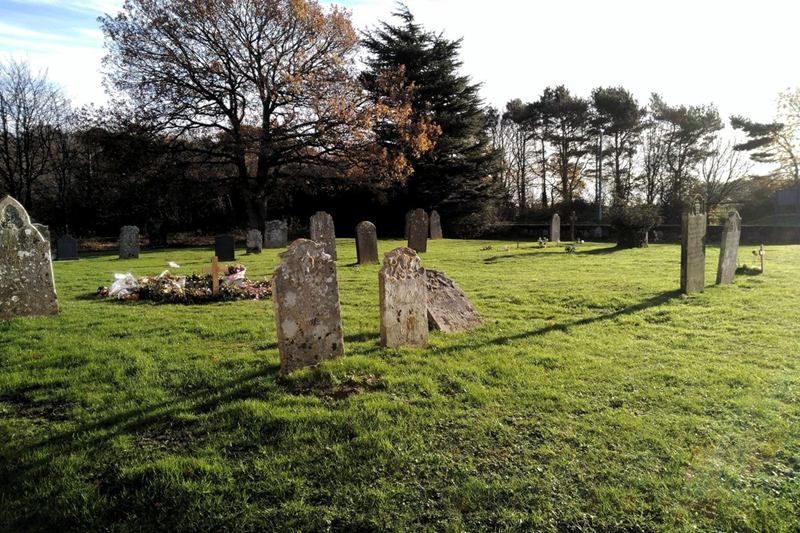
When the first primroses appear in the cemetery, you also see what the winter has left behind: a green film of algae on the back, moss in the lettering, lichen on the base and white limescale rings from watering. Many relatives use the weeks before Easter to tend the grave. Successful headstone cleaning takes water, a soft brush and patience more than anything else.
More important than any product is knowing what the stone is made of. Granite is forgiving, whereas marble and sandstone react badly to acid and hard brushes. Five steps restore a cared-for look without harming the surface or the inscription.
Why headstones turn green and grey over time
A headstone stands outdoors all year, often in the shade of trees and hedges. Rain, dew and watering keep the surface damp, while leaves and pollen supply nutrients. That is ideal ground for algae, moss and lichen, especially on the north side and on rough, unpolished surfaces.
Add bird droppings, wax from grave candles and limescale: hard watering water leaves white rings on dark stone as it evaporates. Moss and lichen are not just a visual problem. Their holdfasts penetrate porous stone, retain moisture and, with frost, can loosen the surface.
| Material | Typical features | Suitable | Not suitable |
|---|---|---|---|
| Granite, gneiss | Hard, often polished, speckled | Water, soft brush, mild soap | Wire brush, scouring powder |
| Marble | White or veined, smooth, calcareous | Water, very soft brush, little soap | Vinegar, citric acid, descaler |
| Limestone | Pale, matt, sometimes with fossils | Water, soft brush | Any acid, hard brushes |
| Sandstone | Grainy, soft, porous | Only water and a soft brush | Acids, scrubbing, pressure washing |
| Cast stone, concrete | Uniform, grey or tinted | Water, soft brush, mild soap | Acids |
If you are unsure of the material, ask the stonemason who set the stone. Their name is often engraved in small letters on the back or the base.
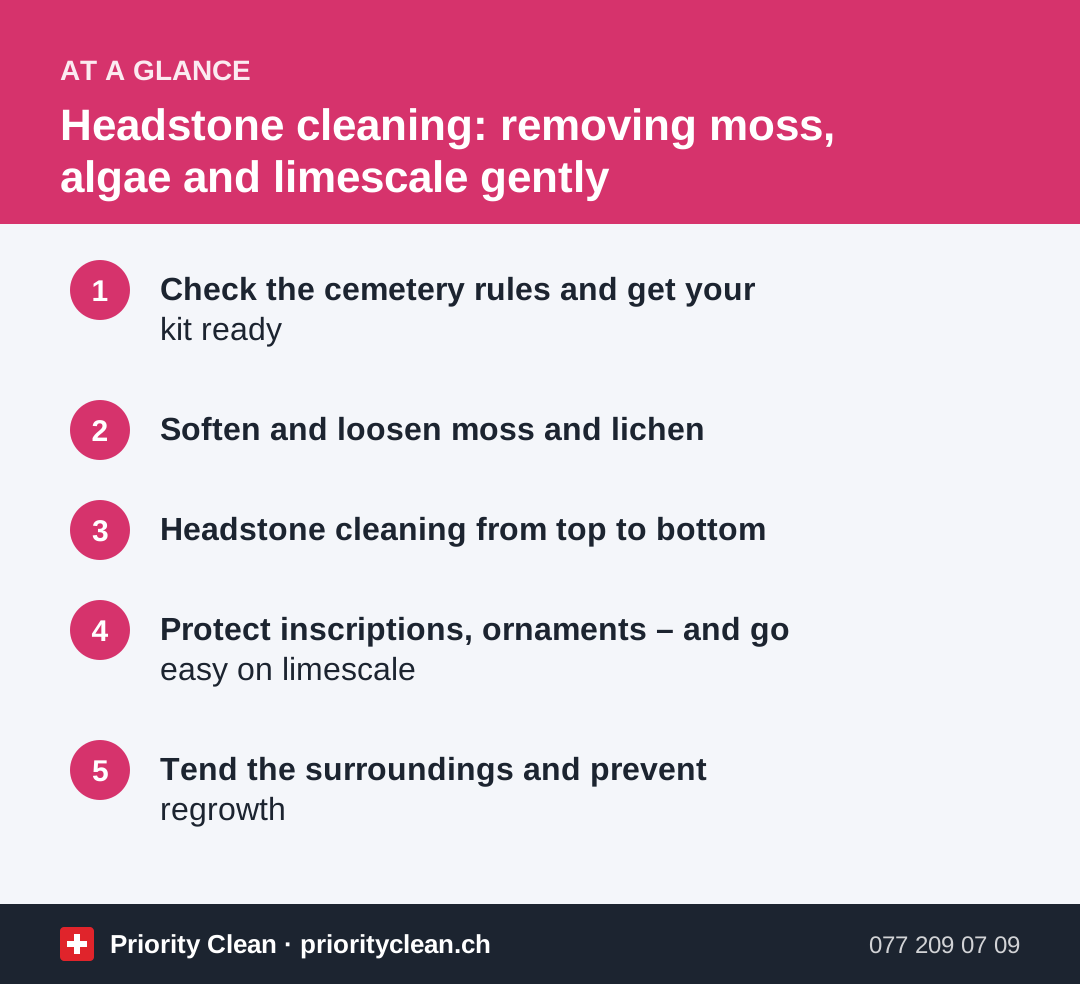
1. Check the cemetery rules and get your kit ready
In Switzerland, cemeteries are usually run by the commune or the parish, and the cemetery regulations set out what is permitted on the grave. Ordinary cleaning does not generally need permission. For work that goes further – regilding or repainting the lettering, or resetting the stone – a permit may be required. If in doubt, ask the cemetery administration.
What you need:
- A bucket and water from the cemetery tap
- A soft brush with synthetic or natural bristles, plus an old toothbrush for the lettering
- A sponge and a soft cloth
- A wooden or plastic scraper for thick moss cushions
- Curd soap or soft soap
- Gardening gloves and a kneeling pad
The Swiss Council for Accident Prevention (BFU) recommends gloves, closed shoes with a good tread and using tools only as intended when gardening. The same applies at the grave, where you kneel for a long time and carry heavy buckets.
2. Soften and loosen moss and lichen
First soak the stone thoroughly with clean water. Dry moss clings firmly; soaked moss comes away much more easily. Leave the water to work for a few minutes and repeat on thick cushions.
Then push the moss off with the wooden scraper, always flat and without scratching. Lichen holds on harder: brush it with circular movements and accept that it often only disappears after several rounds. Metal scrapers and wire brushes leave scratches that grow over with moss even faster.
3. Headstone cleaning from top to bottom
Add a little soap to lukewarm water. The Swiss consumer protection foundation shows that a few household remedies such as curd soap replace many cleaning products. At the grave, you rarely need more. On sandstone, skip the soap and use clean water only.
Wash the stone from top to bottom so dirty water does not run over areas you have already cleaned. Brush without pressure in small circles, then rinse generously with clean water so no soap residue stays in the stone. Finally, dry polished surfaces with a soft cloth.
4. Protect inscriptions, ornaments – and go easy on limescale
Clean engraved lettering and ornaments with the toothbrush and plenty of water, without pressure. Take particular care with gilded, silvered or painted letters: dabbing with water and a soft brush or cloth is enough. Applied letters made of bronze or aluminium only need a wipe with a damp cloth.
On granite, white limescale rings can often be reduced with water and a brush. Acids such as vinegar or citric acid do dissolve limescale, but they attack marble, limestone, sandstone and the joints. So avoid them and have stubborn limescale or rust stains assessed by a professional. How limescale forms on natural stone in general is explained in our guide Limescale stains on natural stone.
5. Tend the surroundings and prevent regrowth
Once the stone is clean, turn to the surroundings. Weed the gravel and surround by hand, rake up leaves and remove old candle holders. How to get rid of weeds between slabs without chemicals is shown in our guide Removing weeds from paving joints.
Prevention is easier than scrubbing:
The most common mistakes
- Pressure washer: roughens the surface, flushes out joints and can strip lettering and gilding.
- Wire brush or metal scraper: scratches cannot be undone and turn green faster.
- Vinegar on marble: the acid etches dull patches into the calcareous stone.
- Moss and algae killers: banned on paths and gravel, and harmful to soil and water.
- Working in full sun: soapy water dries on and leaves streaks.
Frequently asked questions
What is the best way to clean a headstone?
With clean water, a soft brush and, for granite, marble or cast stone, a little soap. Clean sandstone with water only. Rinse thoroughly so no soap residue remains.
Can I use a pressure washer on a headstone?
It is not advisable. The hard jet roughens the surface, damages joints, lettering and gilding, and makes the stone more prone to new growth. A soft brush and patience are the gentler choice.
Does vinegar help against limescale on a headstone?
Not on marble, limestone or sandstone: the acid attacks the stone and leaves dull patches. We advise against it on granite too, as joints and lettering can suffer. Have stubborn limescale assessed by a stonemason instead.
How often is headstone cleaning needed?
A thorough clean in spring is usually enough. In between, simply remove leaves, bird droppings and watering splashes promptly. If the grave is in the shade, a second clean in autumn can make sense.
Thanks for your feedback! Feel free to share the guide.
Thanks! What was missing? Drop us a line – we will improve the guide. WhatsApp