The lower edge of the shower curtain is often where the bathroom shows its true state: a pinkish film, black dots in the folds and a cloudy, stiff area where water and soap collect. Many people simply throw the curtain away and buy a new one. But if you know how to clean a shower curtain properly, most curtains and liners can be made fresh again – whether they are made of fabric, polyester or plastic.
Here are five methods, starting with the easiest, plus the habits that keep mould and limescale away.
Why shower curtains get mouldy so quickly
A shower curtain spends most of its life damp. After every shower it collects water, soap residue and skin cells – especially in the lower folds that stay pushed together. Add a warm bathroom with little air movement, and bacteria and moulds have ideal conditions. The pinkish-orange film often seen on shower curtains is usually caused by bacteria that thrive on soap residue; the black spots are mould.
Hard water adds limescale, which makes plastic curtains cloudy and stiff and gives mould more surface to grip. The Federal Office of Public Health describes mould in the home as unhealthy and something to remove promptly – on a curtain, fortunately, that is usually easy.
Fabric or plastic: what can you wash?
| Material | Washing machine? | Best method |
|---|---|---|
| Polyester or cotton fabric | Usually yes, check label | 30–60 °C as allowed, with towels |
| PEVA / EVA liner | Often yes, gentle cycle, cold or lukewarm | Gentle cycle with towels, no spin |
| PVC / vinyl | Sometimes, check label | Hand cleaning in the bathtub |
| Curtains with metal eyelets | Yes, if label allows | Remove hooks, rust check |
Always check the label. Plastic can become brittle or deform at high temperatures.
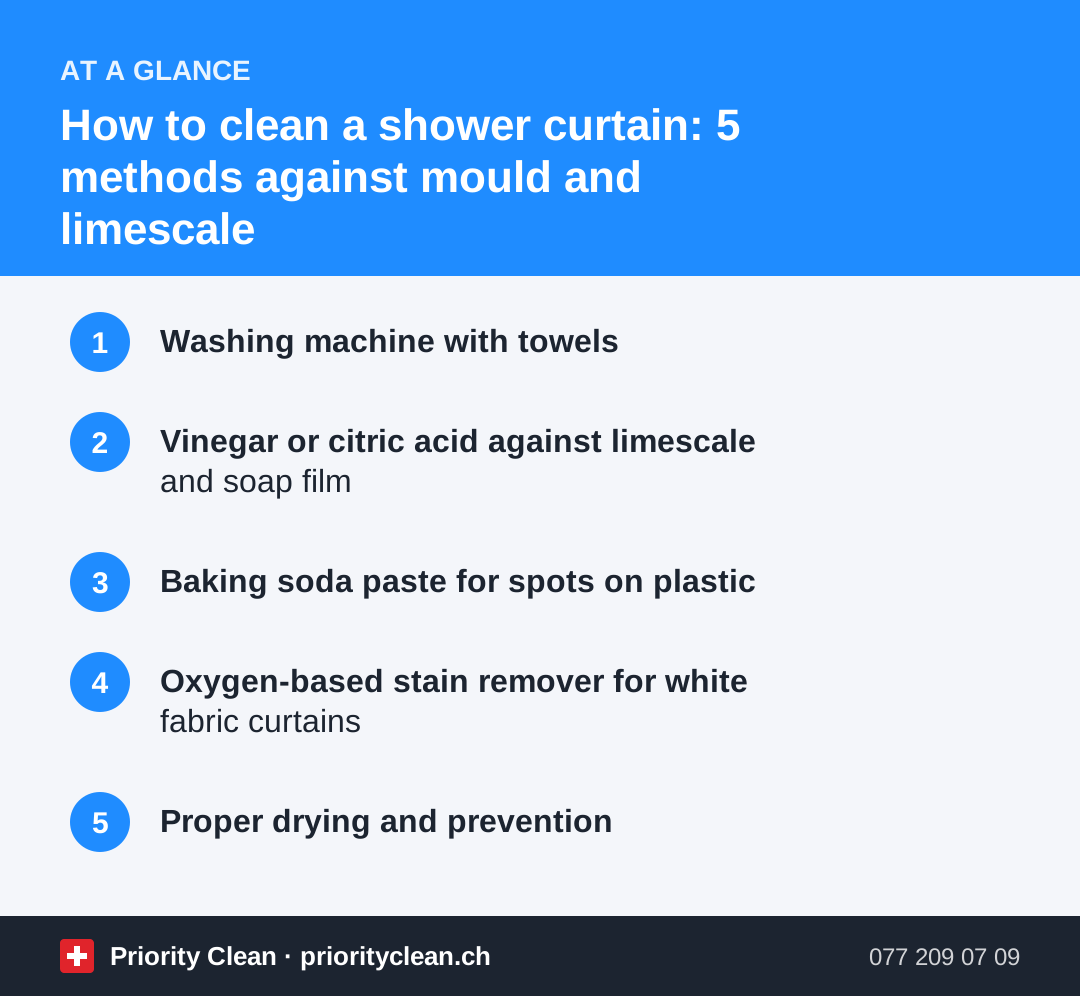
1. Washing machine with towels
This is the most effective method in most cases.
- Remove the curtain from the rings or hooks.
- Put it in the washing machine with two or three old towels – they rub gently against it and remove residue.
- Add your normal detergent and, if you like, half a cup of baking soda to the drum.
- Fabric curtains: wash at the temperature allowed on the label.
- Plastic liners: use a gentle cycle, cold or lukewarm water, and no or very low spin.
- Hang it back up immediately, spread out, to dry.
Do not tumble dry plastic curtains – the heat can melt or deform them.
2. Vinegar or citric acid against limescale and soap film
For cloudy plastic liners and stiff areas, an acidic rinse helps.
- In the washing machine: Add half a cup of household vinegar to the fabric softener compartment. Use this only occasionally, as frequent use can affect rubber seals in the machine.
- By hand: Mix household vinegar and water 1:1 in a spray bottle, spray it on, leave for 15–20 minutes, then rinse with the shower head.
- Citric acid: A solution of two tablespoons of citric acid in half a litre of lukewarm water works the same way and smells less.
For limescale on the rest of the shower, see our guide on removing limescale in the shower.
3. Baking soda paste for spots on plastic
For individual mould spots or pink film on a plastic curtain that cannot go in the machine:
- Lay it in the bathtub or shower tray.
- Mix three tablespoons of baking soda with a little water into a paste.
- Apply to the spots and scrub gently with a soft brush or old toothbrush.
- Leave for 10–15 minutes.
- Rinse thoroughly with the shower head.
- Hang up spread out to dry.
Baking soda is mildly abrasive, so test it on a small printed area first.
4. Oxygen-based stain remover for white fabric curtains
White polyester or cotton curtains with stubborn mould spots can often be improved with an oxygen-based laundry stain remover from the supermarket.
- Check that the product is suitable for the material and follow the dosage instructions.
- Soak it in a bucket or bathtub for the time on the packaging.
- Then wash in the machine as usual.
- Do not use on coloured prints unless the product is labelled colour-safe.
Chlorine bleach is sometimes recommended for white textiles, but it is harsh on fibres and your lungs. If you use it at all, follow the label strictly, ventilate well and never combine it with other products.
5. Proper drying and prevention
The best cleaning method is the one you need less often.
- Spread the curtain out after every shower so it can dry, instead of pushing it to one side.
- Shake off water from the lower edge.
- Ventilate by opening the window fully or running the fan after showering.
- Wash regularly: a fabric curtain every few weeks, a liner every month or two, depending on use.
- Clean the rings or hooks too – limescale and mould build up there.
- Squeegee the tiles and shower tray so less moisture stays in the room.
If you also have black spots on silicone joints, our guide on black mould on shower silicone explains what to do.
Common mistakes
- Leaving the curtain bunched up: The folds stay wet and grow mould.
- Washing plastic liners hot or tumble drying them: They deform or melt.
- Mixing bleach with vinegar: Dangerous fumes.
- Folding the curtain away damp: Mould grows within days.
- Forgetting the hooks: Limescale and mould stay on the rings.
Frequently asked questions
Can you put a shower curtain in the washing machine?
Most fabric curtains and many plastic liners can go in the washing machine – check the care label. Wash plastic liners on a gentle, cold or lukewarm cycle with a few towels and do not tumble dry them.
How do I get mould off a plastic shower curtain?
Apply a paste of baking soda and water to the spots, scrub gently, leave it for 10–15 minutes and rinse thoroughly. If black spots remain after cleaning, the mould has grown into the material and the curtain should be replaced.
What causes pink stains on a shower curtain?
The pink or orange film is usually caused by bacteria that feed on soap residue in damp conditions. Regular washing, drying the curtain spread out and good ventilation help prevent it.
How often should you wash a shower curtain?
Depending on use and ventilation, a fabric curtain every few weeks and a plastic liner every month or two is a good guide. Wash sooner if you notice spots or a musty smell.
Thanks for your feedback! Feel free to share the guide.
Thanks! What was missing? Drop us a line – we will improve the guide. WhatsApp